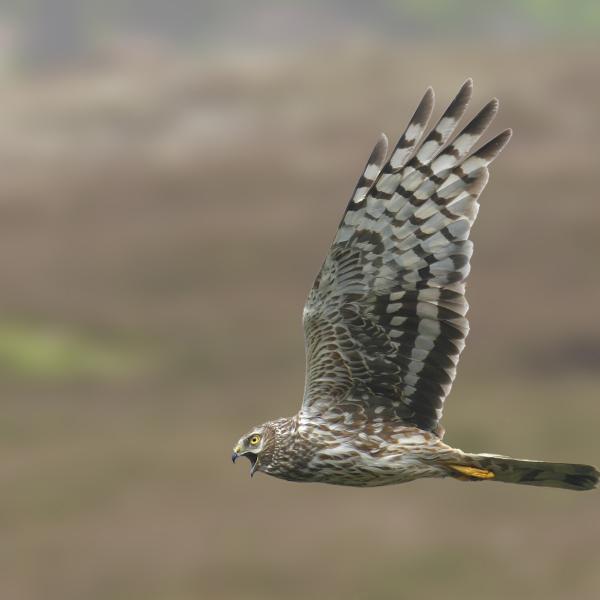
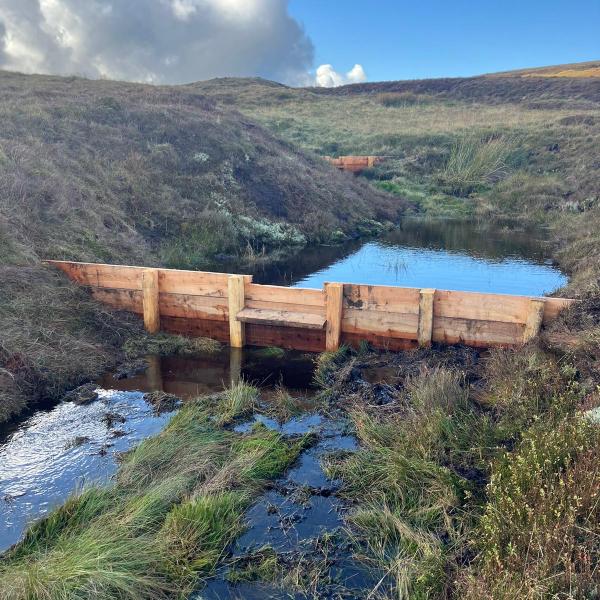
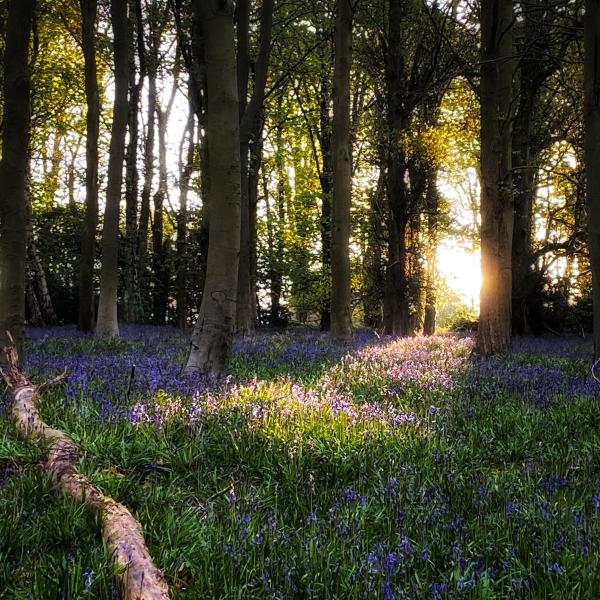
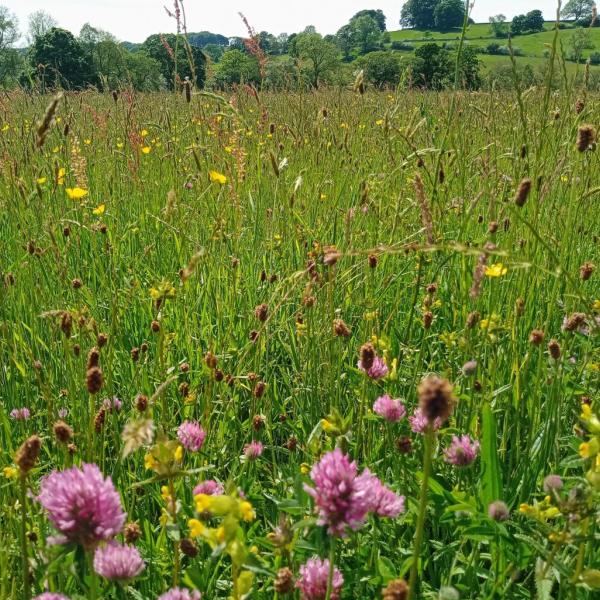
The Forest of Bowland is one of England’s prime upland National Landscapes and it is internationally important for its natural assets: peatland, heather moorland, meadows, Atlantic oak woodlands and the hen harrier, merlin and lesser black backed gull. Nature, and the landscape in which it exists, provides multiple benefits – it has intrinsic value, it provides natural solutions to adapt to and mitigate against climate change, whilst providing benefits to air, soil and water quality and to human health and wellbeing. Nature recovery in the face of current decline and numerous threats, is therefore key to the area’s continued designation and to its special qualities.
In December 2023 the National Landscape partnership published a Nature Recovery Plan setting out a vision for nature along with a positive and proactive framework for the delivery of its recovery. This section of the 2025-31 Management Plan is largely drawn from that Plan and seeks to summarise rather than repeat it. For more details of the listed Outcomes and Measures below please go to the relevant sections of the Nature Recovery Plan. This section also reflects the Local Nature Recovery Strategies for Lancashire (www.lancashire.gov.uk/council/strategies-policies-plans/environmental/local-nature-recovery-strategy) and North Yorkshire (www.northyorks.gov.uk/environment-and-neighbourhoods/conservation/local-nature-recovery-strategy), and these can also be utilised to identify more detailed and specific nature recovery actions. The Forest of Bowland National Landscape Partnership is fully committed to embedding these two local nature recovery plans into decision making and to delivering actions on the grounds based on their maps and measures. Partners will also contribute to data collection and exchange at Lancashire and North Yorkshire local records centres, and the monitoring of LNRS delivery.
Finally, this section can also be read in conjunction with the Forest of Bowland Climate Change Adaptation Plan (Appendix 2) which specifically identifies measures required to help our habitats and species to adapt to the impacts of hotter, drier summers; warmer wetter winters; and the increased frequency of extreme weather events brought by the climate breakdown. As the measures proposed to reduce these impacts largely focus on building resilience in the landscape, the measures for nature in the two plans are almost entirely the same.
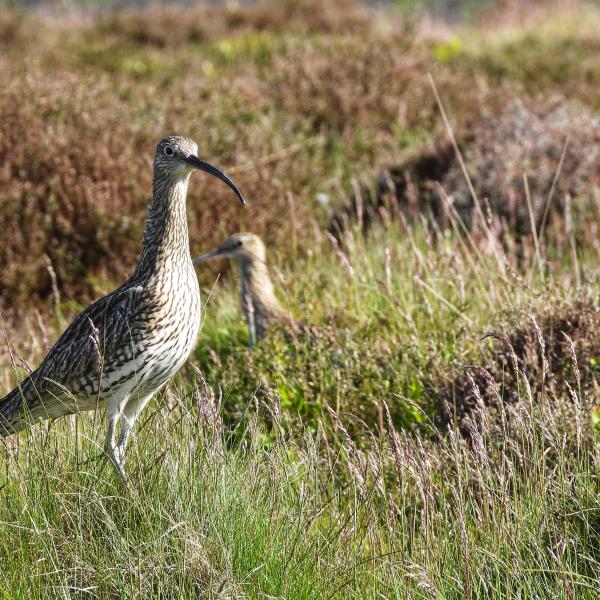
Much of the Forest of Bowland National Landscape is privately owned and primarily used for farming, game shooting and drinking water supply. The conservation and recovery of our nature is therefore dependent on farmers, landowners and land managers. We recognise that many farmers and landowners have been working hard over recent decades to support nature rich places across grasslands, peatland, woodlands, wetlands, rivers and water bodies. Environmental bodies have eagerly supported this work and also deliver critical research and trials to sustain key species such as curlew, lapwing, hen harrier, globeflower, brown trout and bumblebees. However, nature continues to sharply decline in Bowland for a variety and complexity of reasons. Many of these reasons are linked to habitat fragmentation, climate change, human disturbance, and invasive species; but others are the result of changes to land management policies and practices.
Partners are encouraged to consider and adhere to good practice in designing and implementing nature conservation activity - both the creation and management of habitats and species. For example, following up-to-date regulations and legal requirements; utilising national guidance; and implementing local principles such as the those given in the Lancashire LNRS for management of BHS sites.
This plan therefore provides a guiding framework for nature recovery prescriptions to positively manage and build resilience in the landscape and habitats, with nature as a priority not just as a side effect of good land management.