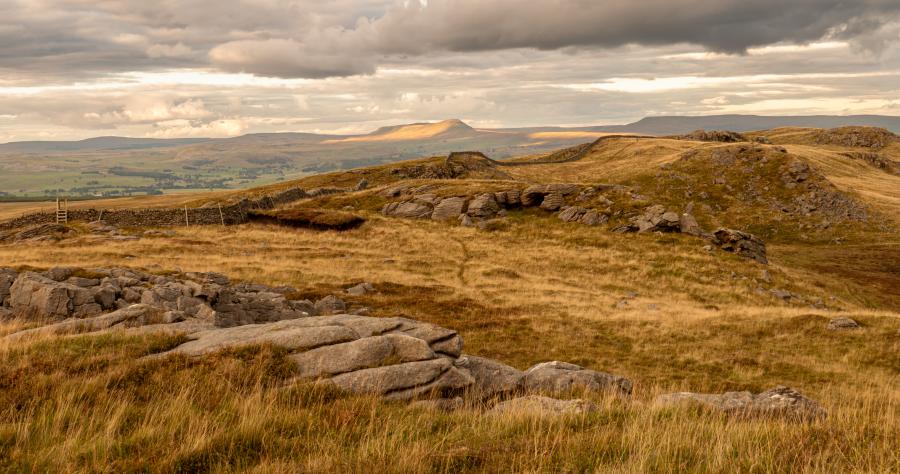
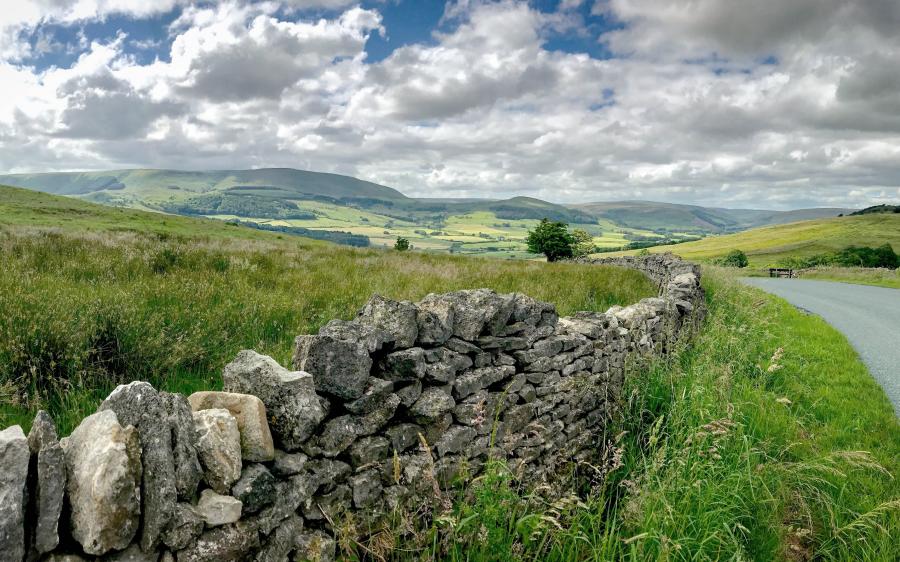
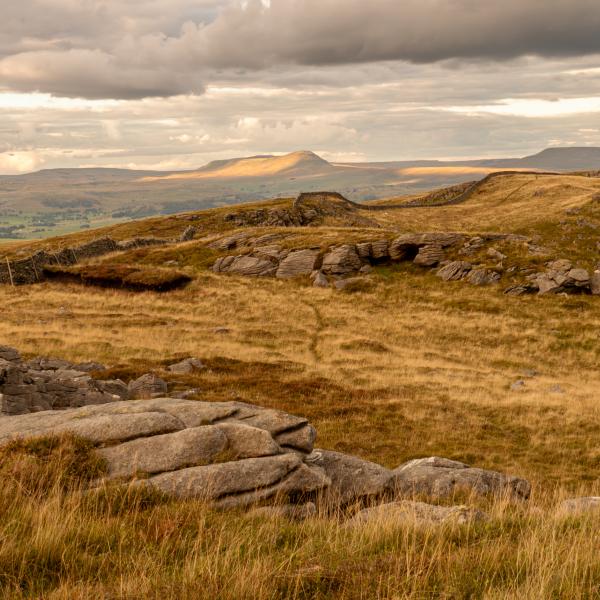
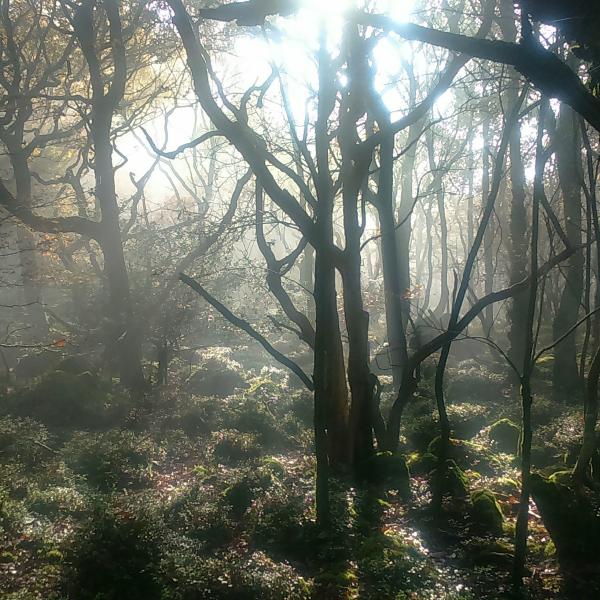
The fells’ fringe of foothills is dissected by steep-sided valleys which open out into the rich green lowlands of the Ribble, Hodder, Wyre and Lune Valleys. Well-wooded and dotted with picturesque stone farms and villages, these lower slopes, criss-crossed by drystone walls, contrast with and complement the dramatic open sweep of the gritstone heights. On its south-eastern edge, famous Pendle Hill forms the outlier of the Forest of Bowland National Landscape.
The combination of ‘wild’ expanses of open moorland and estate landscapes on the moorland fringe together with the transitional landscapes to the lower lying river valleys gives this area a distinctive quality of its own. The cloughs, steep sided and wooded valleys, provide a strong link between the upland and lowland landscapes.
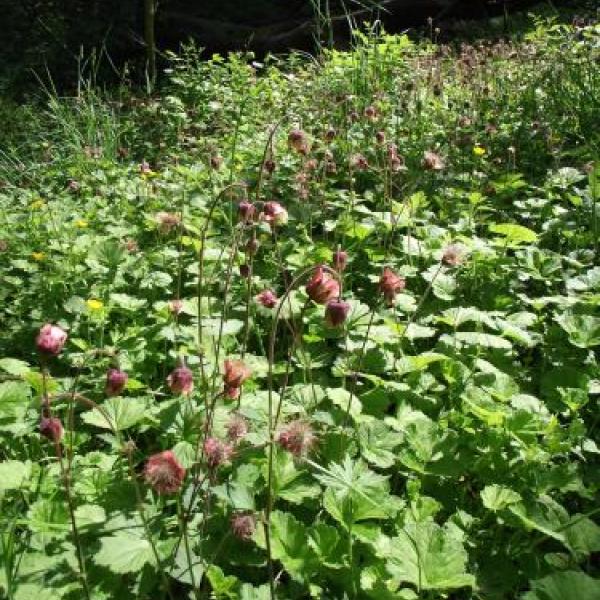
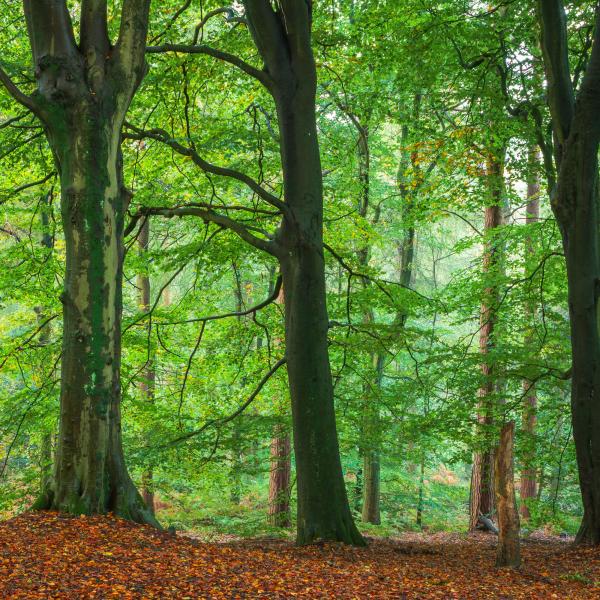
Bowland’s ecological features make it a nationally important area for nature conservation and 13 per cent is designated as Sites of Special Scientific Interest. The moors are a major breeding ground for upland birds and the major part of the Bowland Fells is designated as a Special Protection Area under the European Birds Directive. The lowlands contain important ancient woodland habitat.