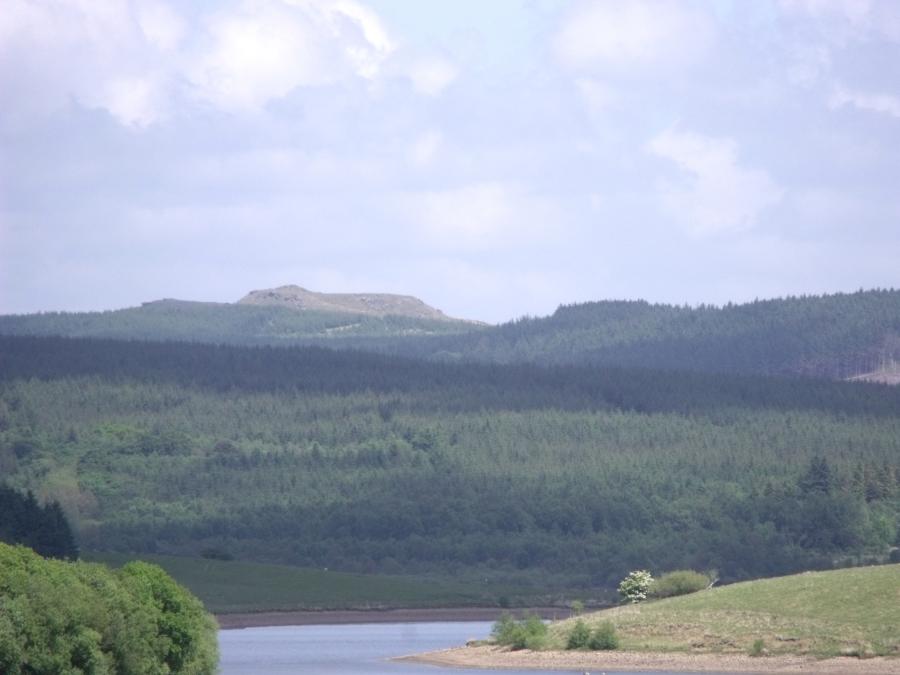
Such plantations are for the most part dominated by uniform blocks of sitka spruce, Norway spruce, European Larch and Scot’s pine, although these are now being modified and part clear felled, to be restocked with broadleaved trees in order to produce mixed plantations so as to add diversity to the landscape and also broaden their wildlife interest.
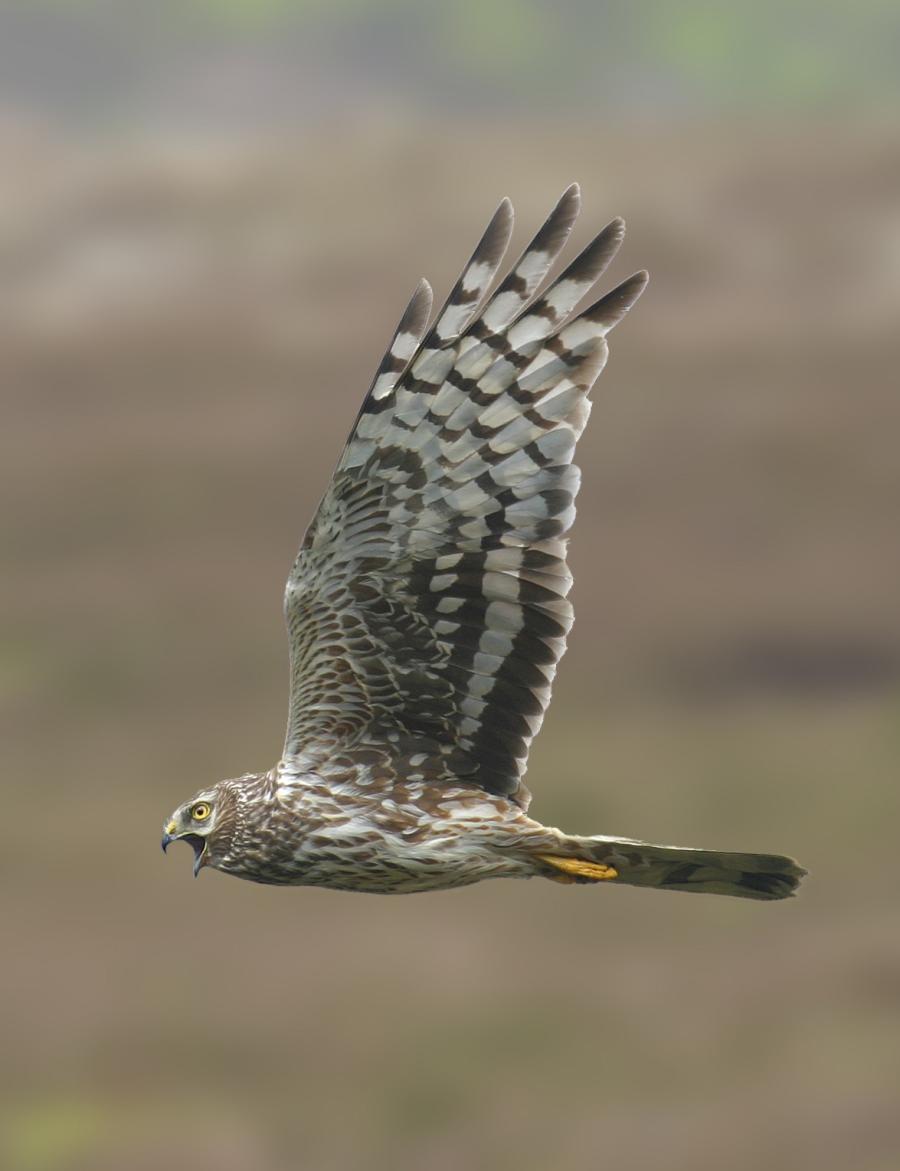
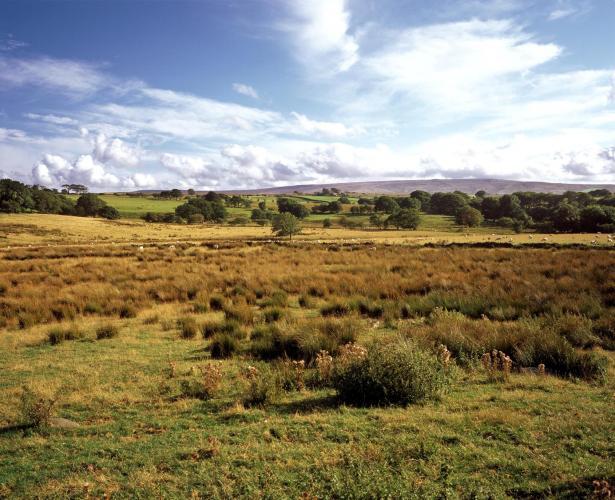
Young plantations generally have a more abundant, diverse flora and fauna than do the areas of upland grazing that they often replace. However, this is only temporary until the canopy closes. Fenced off areas, which exclude grazing to allow planted trees to develop, result in dense growths of ground vegetation. Such areas are rapidly colonised by large numbers of small mammals, such as field mice and bank voles, which in turn attract birds of prey such as kestrel, short eared owl and, if you are lucky, hen harrier also.
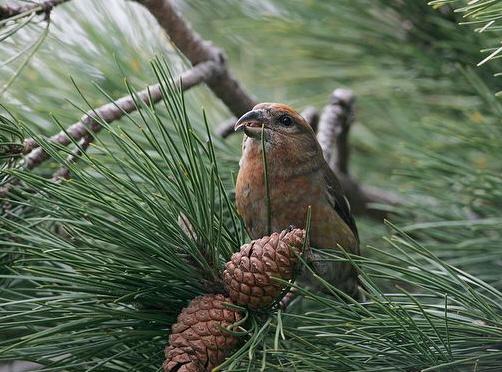
Meadow pipits and grasshopper warblers are also common within such plantations during the early stages of their development, as are birds such as willow warbler, common whitethroat and linnet, which favour areas of scrub woodland. Later on birds such as songthrush, blackbird, chaffinch, goldcrest and coal tit follow as the plantation matures into climax forest or plantation woodland, which sometimes attract rarer specialist birds of conifer trees, including both crossbill and siskin.
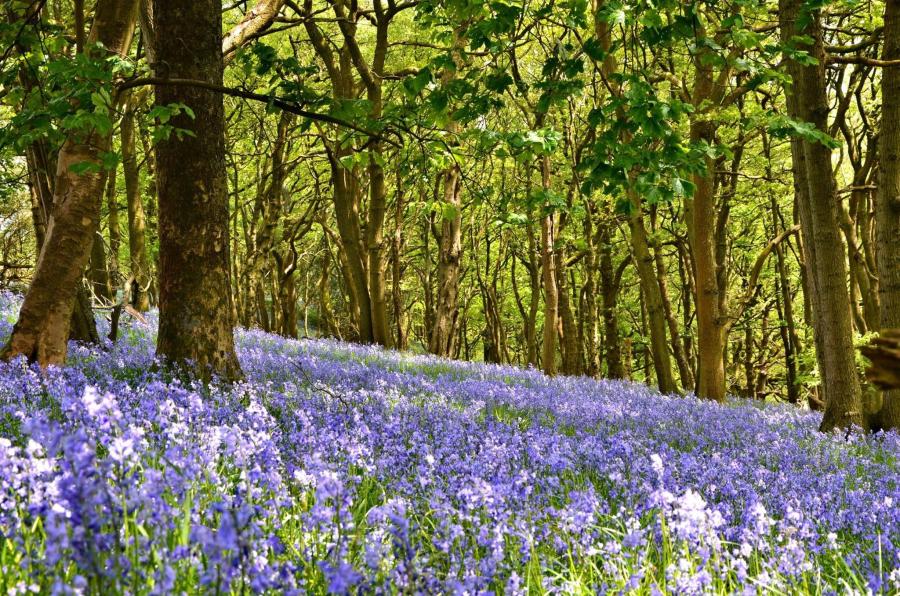
Because mature plantations have a dense canopy, light levels are low at ground level, except along forest tracks and rides, therefore they tend to have a sparse flora. On the other hand larch plantations, which are more open and allow much greater amounts of light to reach the woodland floor often have a ground flora dominated by creeping soft grass, wood sorrel and bluebells, as well as ferns and brambles. Such woodlands also support a great variety of woodland fungi, including the well-known red and white spotted toadstool –the fly agaric.