Reduces food miles and congestion and pollution on our roads
Food miles are the distance which food travels from ‘farm to fork’, Evidence shows that this distance is increasing both internationally and on UK roads. Food miles create road congestion, noise, disturbance and pollution. They also increase the need for refrigeration, packaging and processing of our food.
Improves the freshness of your food and causes less stress for livestock
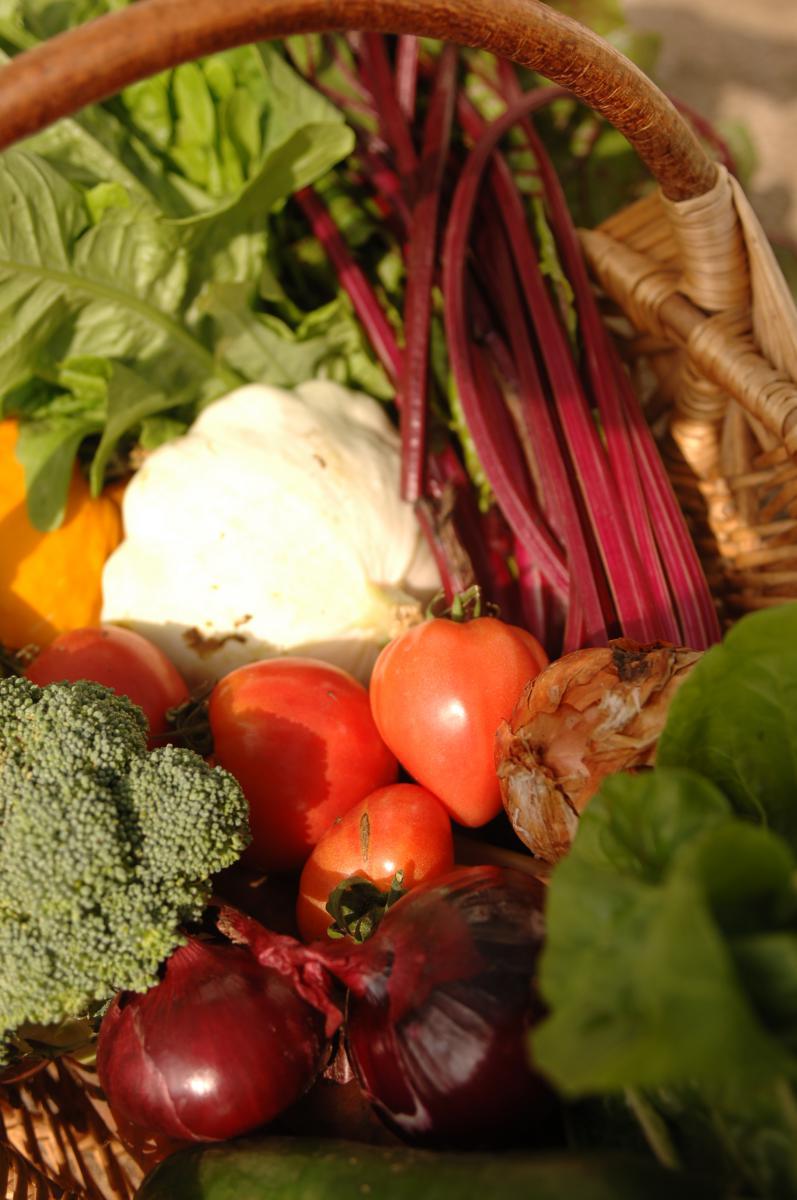
Local food is less likely to need processing, preservatives and packaging, so it should arrive on your plate fresher and healthier than food which has been transported for many miles. Livestock suffer stress when transported and this can affect the quality of their meat. This means locally butchered meat tends to be tastier as well as fresher.
Helps us to understand how and where food is produced
Buying local, often face-to-face at the farm shop or farmers’ market, helps us to reconnect with the land and its farmers. It helps us to find out how and where food is produced and when it is best to buy certain products, and to buy our favourite delicacies with confidence.
Supports the farmers who manage our precious landscape and protect the environment
Local producers are often farmers looking to develop a niche market by creating value-added produce which will allow them to carry on farming. This often involves stocking rare breeds and using traditional methods and environmentally friendly farming practices.
So buying local food helps farmers to preserve our special landscapes, protects and increases the range of plant and animal species in the area, and provides a long-term future for farming.
Supports the local economy by supporting farmers, distributors and processors
It’s not only farmers who depend on local produce. Others in the supply chain - the distributors, processors and retailers - are also involved. Buying local helps to keep all these people in employment and, importantly, keeps the money in the local area too.
Supports the social structure and local distinctiveness of an area
Over centralisation of food has meant the loss of regional and seasonal variety, local crafts and a sense of belonging in the community. It has led to a decline in small family farms, local abattoirs, small shops and more - all of them unable to compete in today’s global market.
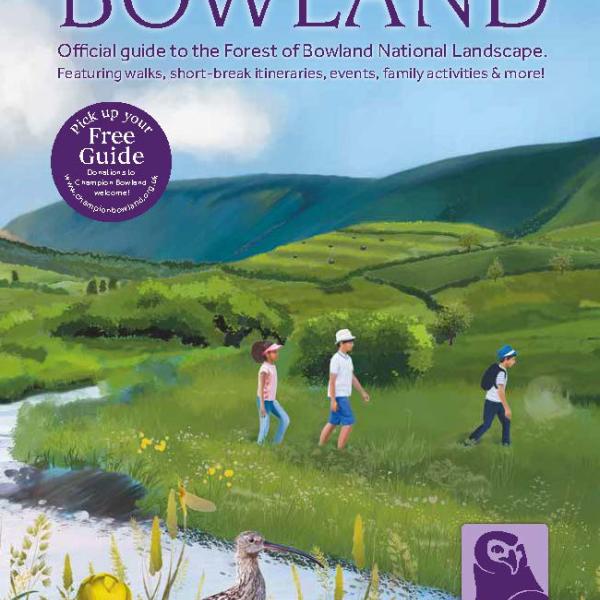
Find out more about a Bowland Crafted: Rail-linked Food, Arts and Sustainable Adventures