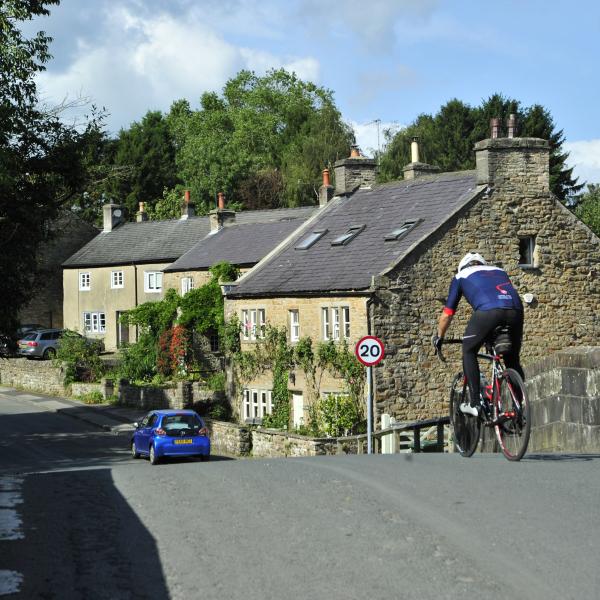
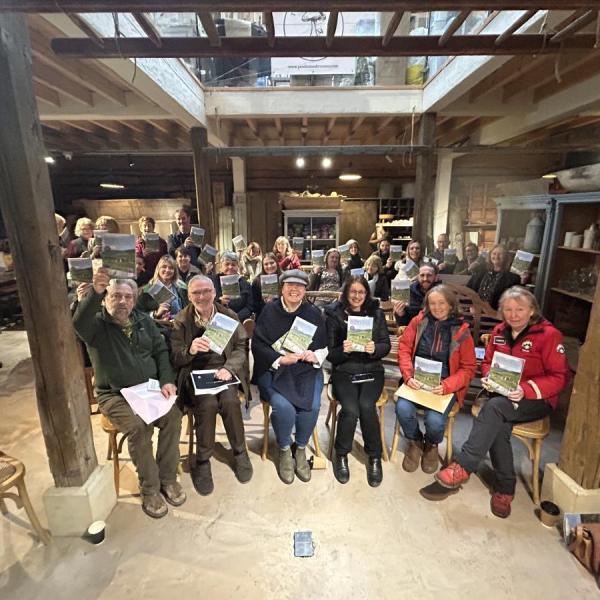
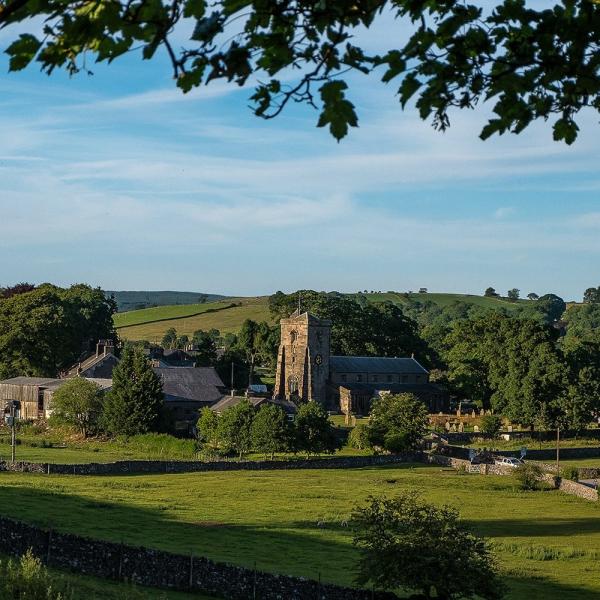
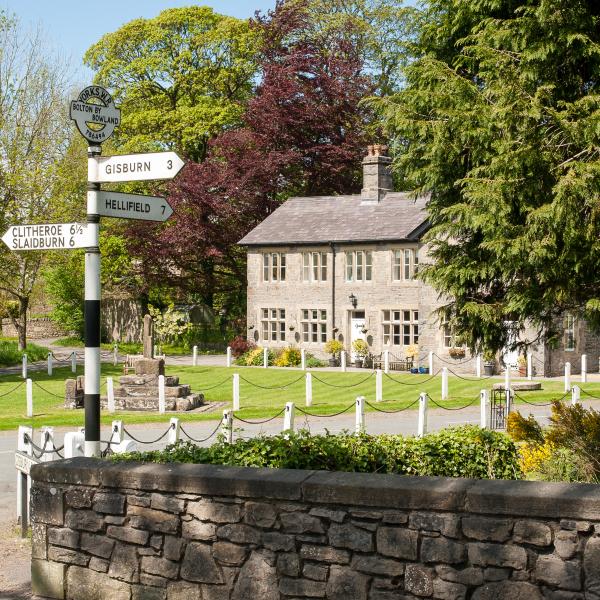
The character of the Forest of Bowland National Landscape is shaped equally by its history, its communities and its physical form. The landscape we see today is the result of a long-standing relationship between people and place. Conserving and enhancing this special area means addressing the social and economic needs of its residents, not just managing the land itself. Many locals work within the landscape or commute to nearby towns, while a significant number of retirees depend on local services.
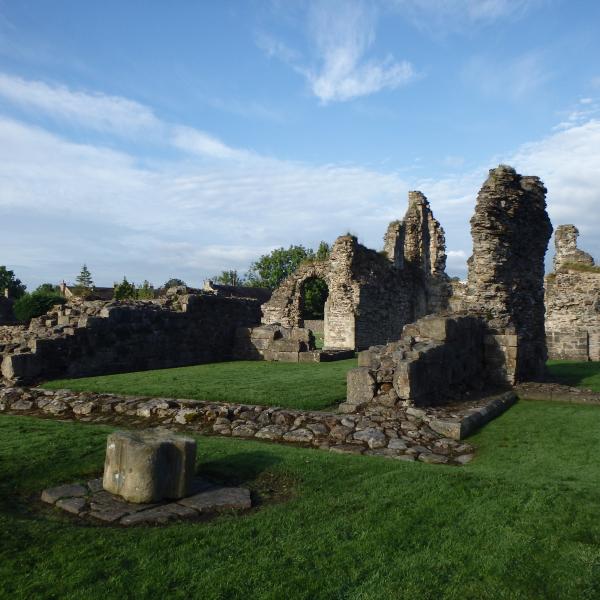
Bowland's history is central to its identity. Echoes of the area's medieval royal hunting forest status are evident still, but centuries of land management and ownership before and since have also left their mark on landscape, settlements and buildings. This link between past and present provides a sense of continuity for residents and visitors alike. Moving forward, this connection can be nurtured to provide opportunities for more people to discover and value the National Landscape.
The area has a diverse economy, with agriculture and forestry being the primary land uses, but tourism is also increasingly important. The area has a strong farming tradition, with sheep and beef farming in the uplands and dairy farming in the valleys. Much of the area's moorland is also managed for driven grouse shooting. Additionally, there are businesses involved in quarrying, production (including food production), energy and transport. The National Landscape is growing in popularity as a visitor destination for the surrounding urban settlements of Lancashire, Greater Manchester, Merseyside and West Yorkshire. Its relatively 'undiscovered' nature is highly cherished, fostering loyalty among locals, day-trippers, and an increasing number of overnight visitors. The blend of open moorland and the dynamic geography of the lower river valleys not only defines the area's unique character but also makes it an excellent spot for walkers, cyclists, wildlife enthusiasts and more recently, those interested in experiential tourism, including exploring the area's fantastic local produce.
Local communities rely on local services, yet some shops and pubs are closing, and many rural areas have limited or no public transport. These changes can make life more difficult for residents. Increased car usage can also impact the local environment and carbon emissions. The challenge lies in finding solutions that enhance the social and economic well-being of communities whilst also enhancing the quality of the environment.