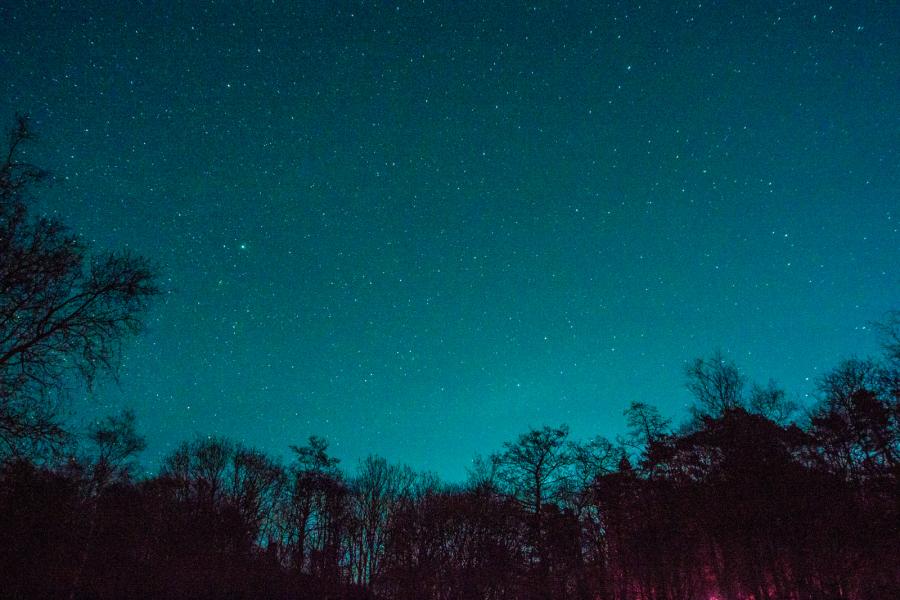
Most of these groups of stars or ‘constellations’ were identified and named by the world’s earliest astronomers from Ancient Greece or Babylon.
And as well as these often rather tenuous characters in the sky, there’s a whole host of other heavenly objects to look at. Many of the earth’s companion planets in the solar system: Venus, Mars, Jupiter, Saturn and Uranus are visible at various times of year, as are more distant objects like the Orion Nebula and the Great Galaxy in Andromeda.
The winter months, when the nights are longer and the skies are darker, tend to be the best time to stargaze, but events like the Perseids meteor shower in mid-August, when observers can see dozens of shooting stars an hour, also make a real celestial spectacle.
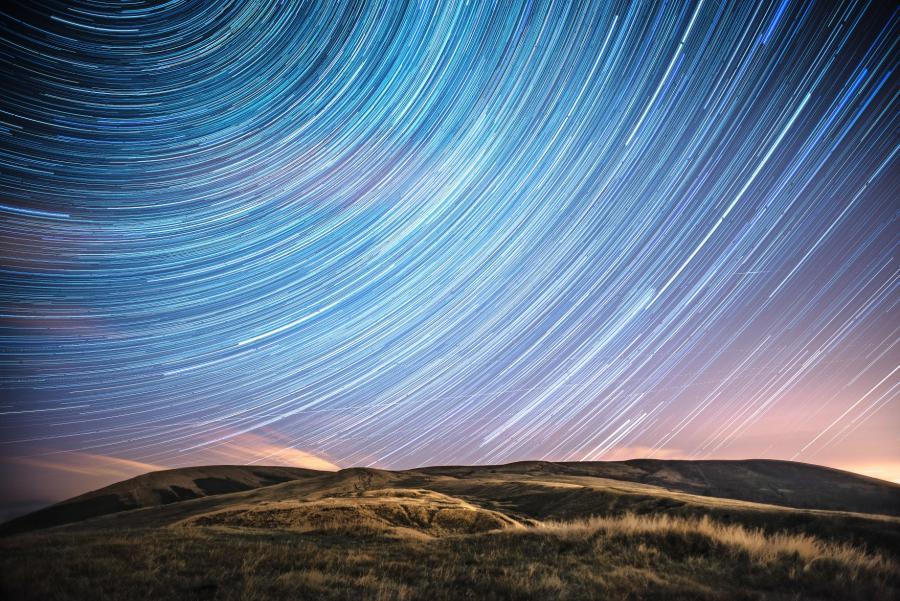
View a series of timelapses and images of the sky above the Forest of Bowland National Landscape, produced by local astroner Robert Ince. (Note video also embedded at bottom of page)