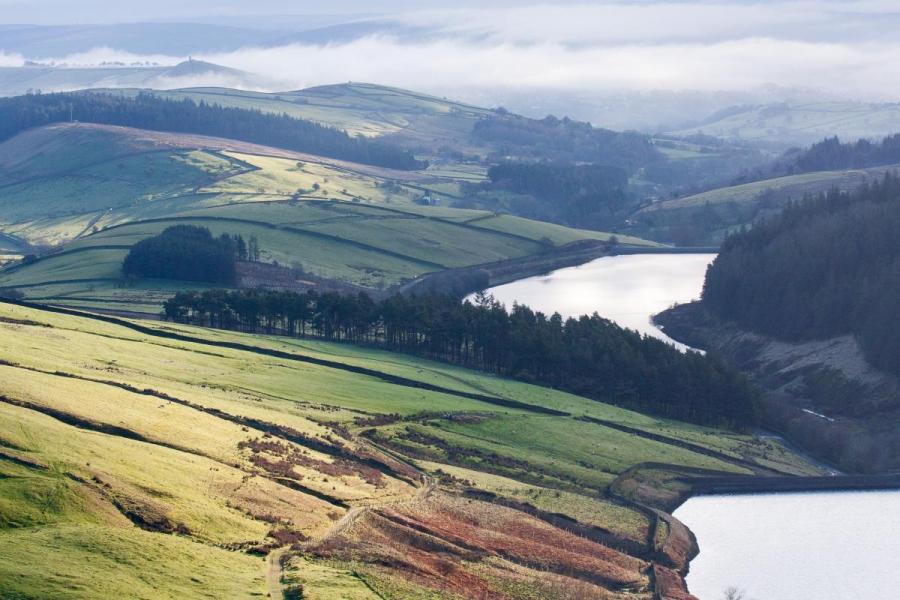
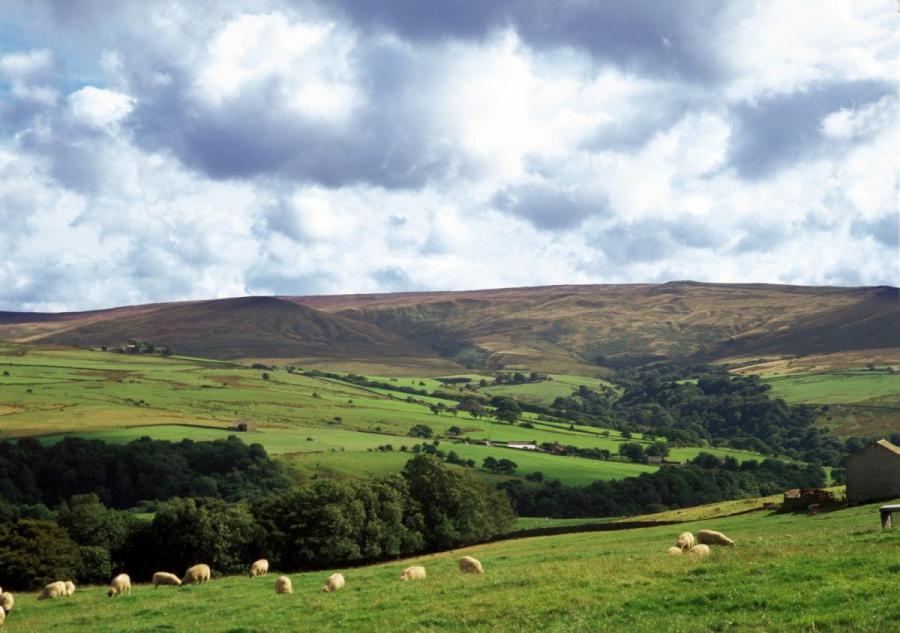
Plantations of non-native conifers does not always have a positive impact from a landscape point of view with their uniform blocks and rows and infrastructure such as forestry tracks. With timber prices currently high and much extraction taking place; alongside the need for fencing and re-stocking with plastic planting tubes; the landscape impacts of forestry operations in existing plantations can be significant.
Forestry also has a potential impact on habitats, for example, plantations in the Flow Country in the 1980s had a dramatic impact on an area internationally important for blanket mire and migratory wading birds. The debate about forestry continues today in the uplands where internationally important peatland habitats are a significant store of carbon in their own right, as well as providing a range of ecosystem services. Many of these issues are clearly explained in the Government's UK Forest Standard.
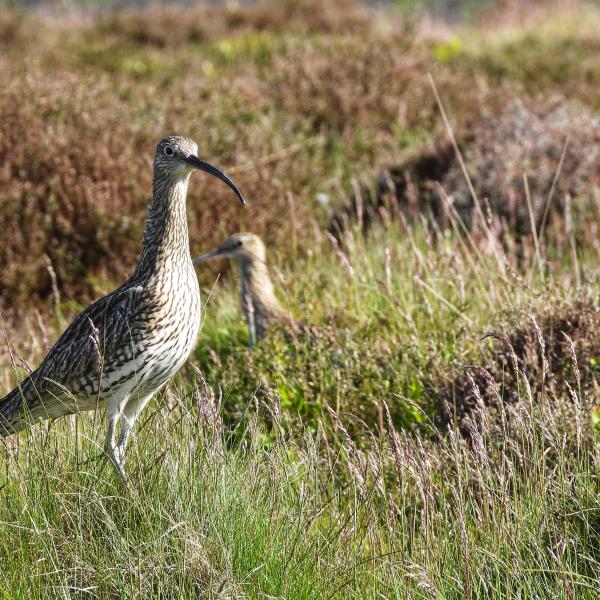
Even well intentioned conservation woodland has the potential to impact biodiversity negatively. For example, species rich grassland now covers 3% of its pre-war extent so it is important that surveys take place to ensure that woodland planting does not impact on this fragmented and remnant resource. Equally, the impact of new woodland on wading bird populations in the Forest of Bowland needs to be considered on a case by case basis.
As a response to rising concern about the environmental impacts of forestry worldwide there was a demand for assurance that products were sourced from well-managed forests. The formation of the non-governmental Forestry Stewardship Council (FSC) was founded in 1993. In the UK the UK Woodland Assurance Standard (UKWAS) complies with FSC. By getting woodlands certified to the UK WAS, woodland owners demonstrate to society that their woodlands are responsibly managed. The list of requirements range from restocking felled plantation through to workers' rights, access, recreation and landscape.