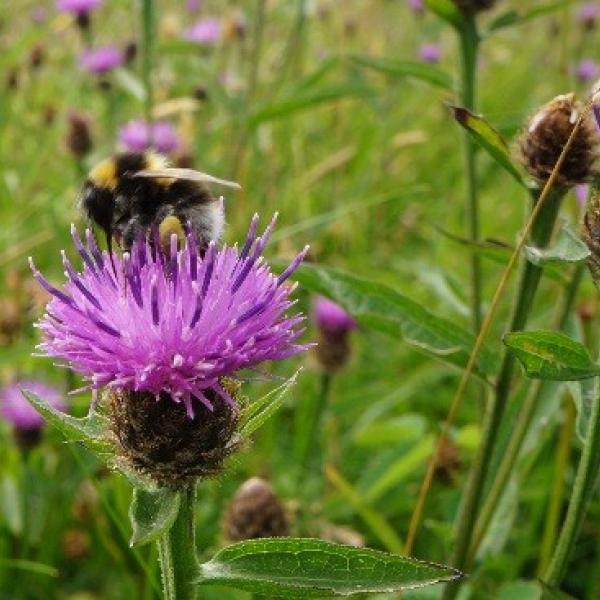
Scarce grassland habitats such as species rich hay meadows and pastures, acid and calcareous grassland, floodplain meadows and CHEGD important grasslands (assemblages of grassland fungi) are under constant pressure from development, intensive farming practices, and climate change.
These priority habitats are important for farming by providing fodder for livestock, but they also absorb carbon, help mitigate against flooding and soil erosion, and support healthy soils and biodiversity.
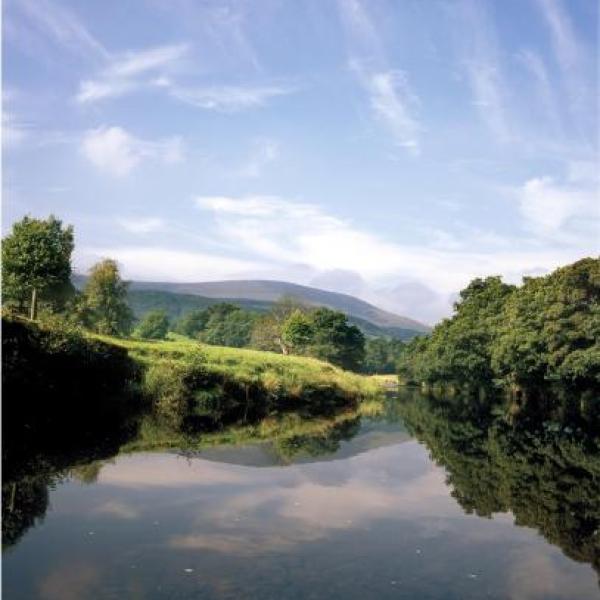
With more than 97% of our meadows already lost nationally, our actions count more than ever to protect and expand these extraordinary ecosystems. The Forest of Bowland is home to some of the last remaining traditional wildflower meadows in England.
Since 2012 The Forest of Bowland NL has worked closely with landowners and other partners to help reverse the loss of hay meadows, restoring around 220ha of traditionally managed hay meadows, pasture and floodplain meadows. Meadow restoration work continues in the National Landscape through the Bowland Hay Time Project in partnership with Yorkshire Dales Millennium Trust.
Equally important is monitoring and recording our existing grasslands, including important CHEGD grasslands (those with rare grassland fungi) to enable their protection.
Through funding from DEFRA’s Farming in Protected Landscapes Programme and the Yorkshire Dales Millennium Trust, ongoing projects in the Forest of Bowland monitor grasslands that have previously had restoration work and identify potential sites for future restoration, to meet our habitat restoration targets and feed into the LNRS habitat mapping and inventory.