Our vision is that, "Every change in the built environment of Bowland should conserve or improve the character of the National Landscape."
We will achieve this vision by -
- Encouraging visitors to respect the countryside and follow the Countryside code, protecting property, including roadside verges, plants, animals, taking their litter home and leaving no trace on the landscape
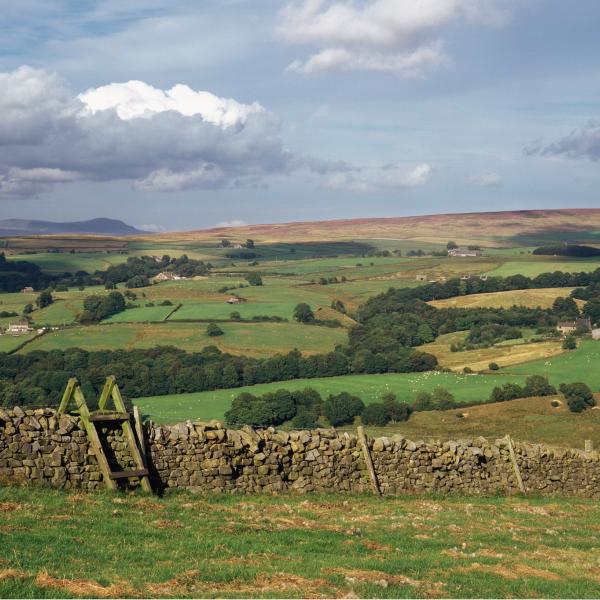
- Encouraging land owners to maintain and in some cases reinstate traditional boundaries; hedges, dry stone walls, ditches and the like
- Encouraging and providing information for home owners to alter, extend, repair and reinstate features of their property, curtillage and gardens taking note of locally distinctive design using local materials and craftsmen where possible
- Working with planning authorities to improve information given to householders and businesses by the agreement and implementation of Supplementary planning guidance
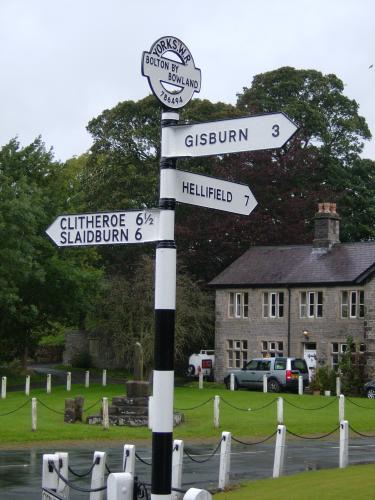
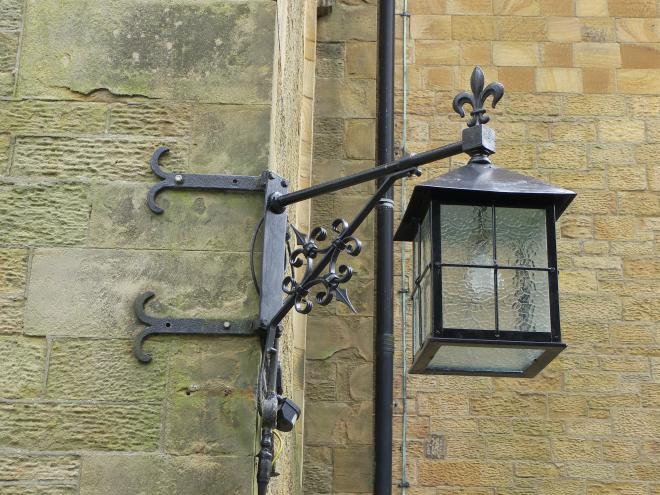
- Working with highways authorities to reduce signage clutter and lighting pollution reinstating and/or repairing locally distinctive signage and lighting where appropriate
Purpose of the National Landscape with respect to the built environment
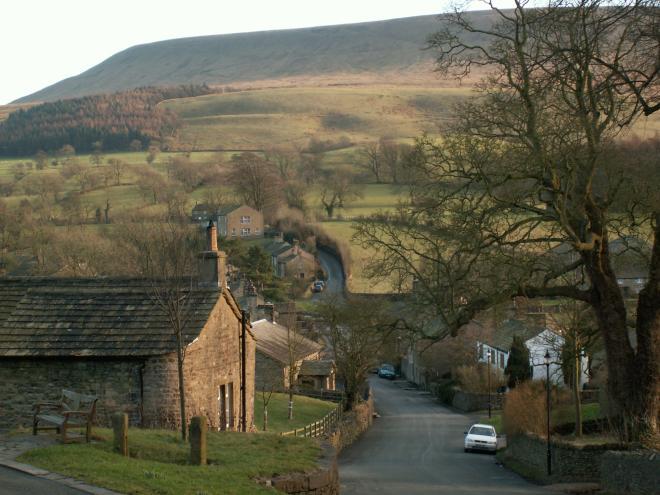
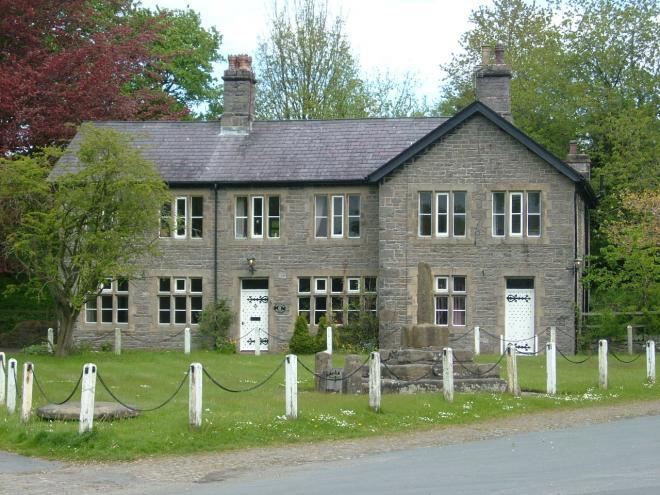
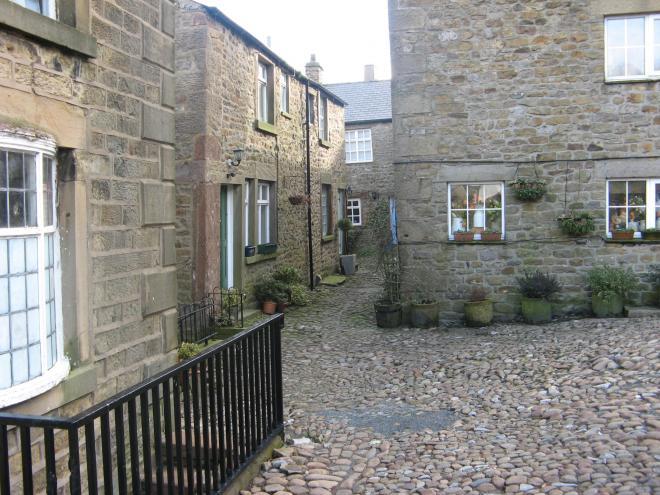
Our purpose is to conserve and enhance the beauty of the area, which includes the pattern of settlement and built environment; including the villages, the houses in them, the churches and graveyards, the roads, bridleways and tracks that link them, the signs that tell us where we are, streetlighting and other lights, the verges and roadside railings, the hedges and walls that border the roads and divide the fields.
'Local distinctiveness' in the Forest of Bowland
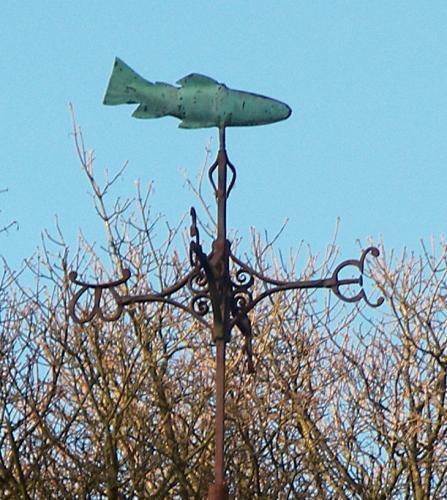
The aim of the following examples is to showcase features that are distinctive to parts of the Forest of Bowland National Landscape. There are many pressures on domestic and agricultural buildings and on the infrastructure of roads, bridges, gates, walls and hedges that have grown up since they were originally designed and built. Suffice it to mention the expectation for bathrooms/showers and garages for domestic properties and the increased size of agricultural machinery necessitating wider access to fields. It is unrealistic to think that these pressures can be entirely resisted so we would like to conserve what we can and change what we have to in a way that is sympathetic to the neighbourhood and tradition of the area.